Watercolour Graphics & Decorative Elements Review
I recently opened my digital workspace to evaluate a new batch of assets for an upcoming seasonal collection. As someone who has spent years navigating the competitive landscape of Etsy, Creative Fabrica, and print-on-demand platforms, I know that the difference between a bestseller and a forgotten listing often comes down to the quality and versatility of the graphic design asset at the core of the product. Today, I am putting Watercolour Graphics, Handpainted Clipart through its paces. My goal is to determine if this set of Decorative Elements can genuinely support a profitable commercial line or if it falls short of the professional standards required for modern marketplaces.
First Impressions: Mood and Market Fit
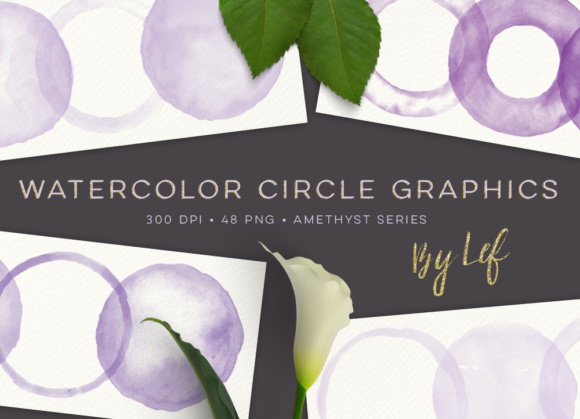
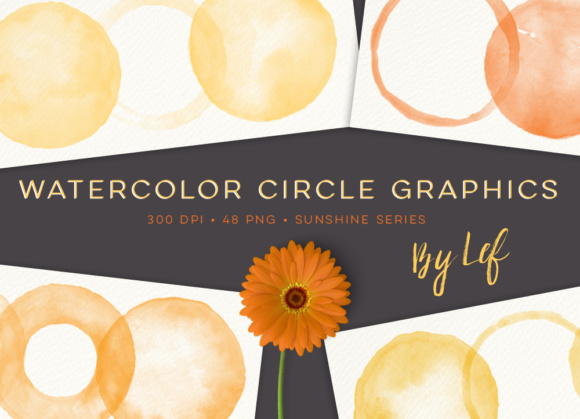
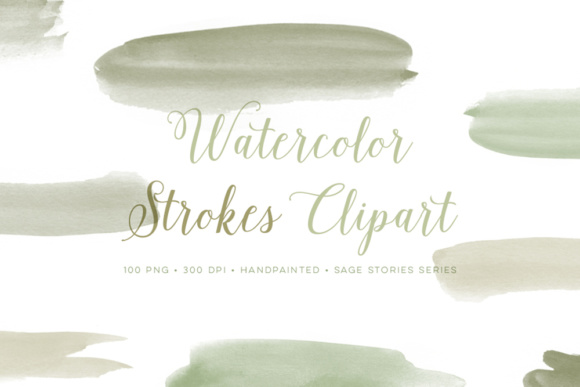
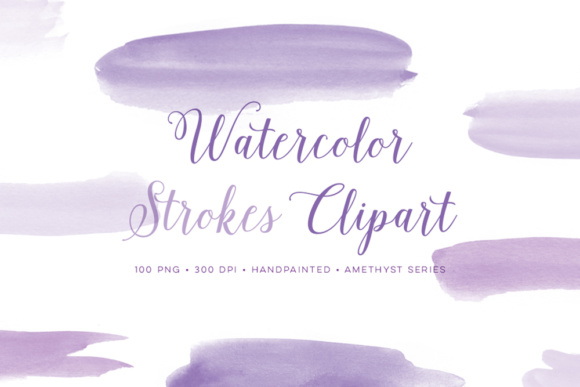
The moment I downloaded the preview files, the visual personality of Watercolour Graphics, Handpainted Clipart was immediately apparent. Unlike the rigid, vector-perfect illustrations that dominate many stock libraries, these images carry a distinct handmade charm. The texture suggests a soft, organic feel that resonates deeply with audiences looking for warmth and authenticity. This style leans heavily into the feminine, rustic, and elegant niches, making it particularly effective for creators targeting mothers, wedding planners, or those curating nursery aesthetics.
For a small business branding strategy, this asset offers a departure from the sterile look of standard clip art. It feels curated rather than mass-produced. However, the success of this digital product depends on how well you integrate it into your specific brand identity. If your shop focuses on bold, industrial, or ultra-modern minimalism, these watercolor textures might clash. But for a handmade business aiming to convey care and creativity, the mood is spot-on. The visual hierarchy is naturally balanced, allowing the artwork to serve as a focal point without overwhelming the layout.
Real-World Application Across Product Types
To truly test the value of Watercolour Graphics, Handpainted Clipart, I began mapping out potential applications across my usual product catalog. The versatility here is impressive, provided you understand the limitations of the medium.
- Printable Wall Art and Nursery Prints: These graphics shine when scaled up. The soft edges of the watercolor technique translate beautifully into high-resolution printable designs. I envision creating a cohesive nursery bundle where these elements frame names or birth details, adding a layer of sophistication that generic fonts cannot achieve alone.
- Sublimation Designs and Merchandise: For print-on-demand sellers, this asset works exceptionally well on mugs, tote bags, and tumbler wraps. The fluid nature of the paint mimics the way ink bleeds slightly into fabric or ceramic, creating a seamless t-shirt design or mug design that looks intentional rather than printed.
- Canva Templates and Social Media Graphics: Content creators can use these as overlays in Canva template kits. Placing a translucent watercolor splash behind text boxes instantly elevates a blog post header or Instagram story template, boosting perceived value and click-through potential.
- Greeting Cards and Invitations: The romantic and delicate nature of the clipart makes it perfect for wedding invitations, baby shower cards, and thank-you notes. When paired with a script font or handwritten font, the result is a premium commercial design ready for immediate download.
Enhancing Product Presentation and Mockups
One of the most critical aspects of selling online is the presentation. A great design can fail if the listing images are weak. Watercolour Graphics, Handpainted Clipart serves as an excellent tool for enhancing product mockup previews. By placing these decorative elements around the borders of your listing thumbnails, you create a branded frame that signals quality before the customer even clicks.
In my testing, I used these assets to build a cohesive visual story for a seasonal collection. Instead of showing isolated products, I layered the watercolor textures into the background of the mockups. This created a unified aesthetic that increased the perceived value of the entire bundle. For Etsy product listings, this attention to detail builds customer trust. It tells the buyer that the creator cares about every pixel, which is essential for converting browsers into buyers.
Critical Limitations and Usage Warnings
While the potential is high, experienced sellers must be realistic about where these assets should not be used. The organic nature of watercolor means there are no hard edges, which creates specific challenges for certain crafting methods.
If you are planning a Cricut project or using a Silhouette machine for cutting vinyl, proceed with caution. Because these are raster-based images (typically PNGs) rather than true vectors, they do not have clean cutting lines. Attempting to cut a detailed flower or leaf from this clipart will likely result in jagged edges or failure. They are best suited for printing or sublimation, not for die-cutting unless you trace them manually to create an SVG path first.
Furthermore, avoid using these graphics on dark backgrounds without significant adjustment. Watercolors rely on white space to show their transparency and flow. On black or navy blue, the lighter tones may disappear, ruining the visual impact. Similarly, tiny sticker details can get lost; the intricate brush strokes require a minimum size to remain legible. In crowded thumbnails or text-heavy templates, these Decorative Elements can become visual noise rather than a helpful accent.
Practical Seller Notes for Implementation
Before publishing any listing based on this review, I recommend running a strict quality control check. First, verify the file resolution. Ensure the PNGs are at least 300 DPI for print products to avoid pixelation. Second, inspect the transparency. Sometimes, watercolor brushes leave unwanted white halos around the edges; remove these in your editing software before finalizing your digital download.
Organization is key for customer satisfaction. If you are bundling these assets, ensure your folder structure is clear. Label files by color palette or theme so buyers can easily find what they need. When designing, experiment with pairing these graphics with different typography styles. A serif font adds elegance, while a sans serif font keeps it modern. A display font can make the piece pop for social media promos.
Finally, always confirm the commercial license terms. Just because you own the asset does not automatically mean you can sell unlimited physical goods. Check if the license covers print-on-demand services like Redbubble or Teespring, or if it is restricted to a certain number of units. Understanding these legal boundaries protects your creative marketplace account from suspension.
Final Verdict for Digital Creators
After extensive testing, Watercolour Graphics, Handpainted Clipart proves to be a valuable addition to the toolkit of any serious digital seller. It bridges the gap between professional polish and artisanal charm, offering a unique selling proposition in saturated markets. While it requires careful handling regarding cutting machines and background contrast, its ability to elevate packaging design, social media graphics, and printable products is undeniable.
For those looking to expand their design bundle offerings or refresh their brand identity with a softer touch, this asset delivers. It transforms simple layouts into compelling visual stories that attract buyers seeking quality and emotion. If you approach it with a strategic mindset—testing on real mockups, respecting its technical limits, and leveraging its aesthetic strengths—it can become a cornerstone of your next successful product launch.